The Complete Spring Cleanup Guide for Alberta Homeowners
Everything you need to know to get your lawn and garden ready after a long Alberta winter — from thatch removal to first mow timing.
Spring in Alberta is a welcome sight — but for your lawn and garden, the thaw reveals months of accumulated damage. Matted grass, winter debris, heaved soil, and stressed shrubs all need attention before the growing season can truly begin. At Mackay's Landscaping, we've completed hundreds of spring cleanups across Fort Saskatchewan, Sherwood Park, and Edmonton, and we've put together this complete guide so you know exactly what needs to happen — and when.
Step 1: Wait for the Right Conditions
The single biggest mistake Alberta homeowners make is starting too early. Walking on or working a lawn that's still saturated from snowmelt compacts the soil and damages the root structure. Before you begin any cleanup, the ground should be firm enough that your footprints don't sink more than half an inch. In the Fort Saskatchewan and Sherwood Park area, this typically means waiting until late April or early May — though the exact timing varies year to year.
Do the "footprint test" — step on your lawn and look back. If the grass springs back up within a few seconds, you're good to go. If your boot print stays compressed, give it another week.
Step 2: Remove Winter Debris
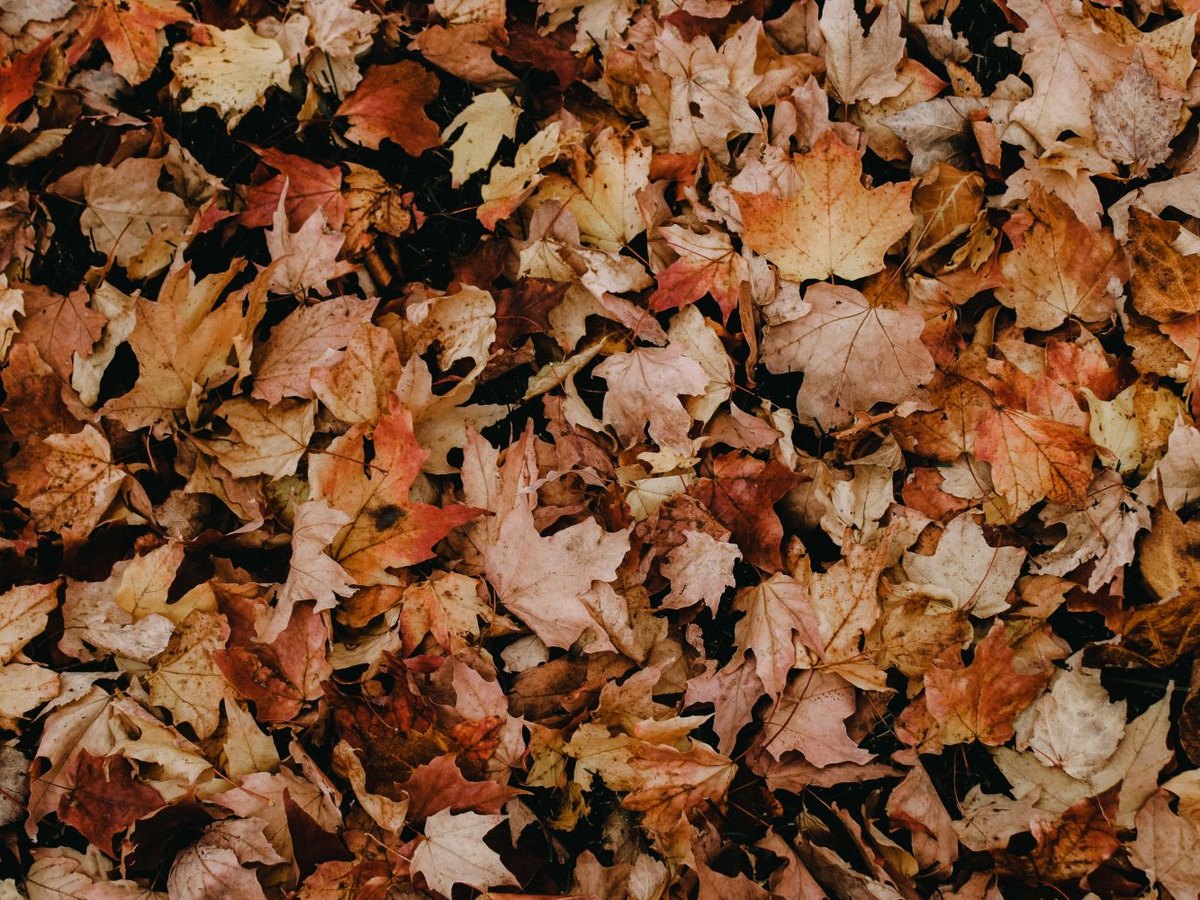
Once the ground is firm, start with a thorough debris removal. Alberta winters leave behind a surprising amount of material — broken branches, dead leaves that blew in from neighbouring properties, sand and gravel from road treatments, and the remnants of last fall's garden. Leaving this debris in place blocks sunlight and airflow, creating the perfect environment for snow mould and fungal disease.
- Rake and bag all leaves, sticks, and dead plant material
- Remove any sand or gravel that migrated onto the lawn from driveways or pathways
- Clear out garden beds completely — cut back any perennials that weren't trimmed in fall
- Check for and remove any plastic edging, stakes, or other materials that shifted under the snow
- Inspect fence lines and property edges where debris tends to collect
Step 3: Dethatch Your Lawn
Thatch is the layer of dead grass stems, roots, and organic matter that builds up between the soil surface and the living grass blades. A thin layer (under half an inch) is actually beneficial — it acts as a natural mulch. But after a harsh Alberta winter, thatch can become thick and matted, preventing water, fertilizer, and air from reaching the roots.
Use a dethatching rake or a power dethatcher to break up and remove this layer. Work in one direction first, then go perpendicular for thorough coverage. You'll be surprised how much material comes up — and how much better your lawn will look and grow as a result.
Step 4: Assess and Aerate
Spring is one of the two ideal times to aerate your lawn (fall being the other). Aeration involves pulling small plugs of soil from the lawn to reduce compaction, improve drainage, and allow nutrients to penetrate deeper into the root zone. This is especially important for Alberta lawns that have been under heavy snow cover, as the freeze-thaw cycle can leave soil quite compacted.
Core aeration is the most effective method — it physically removes plugs of soil rather than just spiking the ground. Leave the plugs on the surface; they'll break down naturally within a few weeks and return nutrients to the soil.
Step 5: Overseed Bare and Thin Spots
After dethatching and aerating, you'll have a clear picture of where your lawn is thin or bare. Spring is an excellent time to overseed these areas. Choose a grass seed blend that's suited to Alberta's climate — look for mixes that include Kentucky bluegrass, creeping red fescue, and perennial ryegrass, which all perform well in our zone.
- Lightly rake bare areas to loosen the top 1–2 cm of soil
- Apply seed at the recommended rate (usually 3–5 kg per 100 m²)
- Lightly rake again to ensure good seed-to-soil contact
- Keep seeded areas consistently moist for the first 2–3 weeks
- Avoid mowing newly seeded areas until the grass reaches at least 8 cm
Step 6: Fertilize — But Not Too Early
Timing your first fertilizer application is critical. Apply it too early and you risk pushing excessive top growth before the root system has had a chance to strengthen. The general rule for Alberta is to wait until the grass has been actively growing for two to three weeks and has been mowed at least once before applying a spring fertilizer.
Look for a slow-release nitrogen fertilizer with a higher first number (nitrogen) for spring — something in the range of 28-5-12 or similar. Avoid high-phosphorus fertilizers unless a soil test has confirmed a deficiency, as excess phosphorus can run off into waterways.
A soil test from your local garden centre costs very little and tells you exactly what your lawn is missing. It takes the guesswork out of fertilizing and can save you money in the long run.
Step 7: Edge, Trim, and Tidy Garden Beds
With the lawn work underway, turn your attention to garden beds. Re-cut the edges between your lawn and garden beds for a clean, defined border — this alone makes a dramatic difference in how polished your property looks. Remove any winter mulch that was applied for frost protection, as leaving it in place too long can keep the soil cold and delay plant emergence.
- Re-edge all garden bed borders with a sharp spade or edging tool
- Remove winter mulch once overnight temperatures are consistently above 0°C
- Cut back ornamental grasses to about 10 cm from the ground
- Prune dead wood from shrubs and perennials — cut to healthy green tissue
- Apply a fresh 5–8 cm layer of mulch to retain moisture and suppress weeds
Step 8: Inspect Trees and Shrubs
Alberta winters are hard on woody plants. Walk your property and look for broken branches, frost cracks in bark, and signs of winter burn on evergreens (browning of needles on the windward side). Remove any dead or damaged wood with clean, sharp cuts. For large branches or significant damage, it's best to call a professional — improper pruning cuts can introduce disease and cause long-term harm.
Fruit trees and flowering shrubs like lilac should be pruned right after they finish blooming in spring, not before — pruning too early removes the flower buds.
Step 9: First Mow of the Season
Your first mow sets the tone for the whole season. Set your mower to a higher cutting height than usual — around 7–8 cm — to avoid stressing the grass while it's still waking up. Make sure your mower blade is sharp; a dull blade tears grass rather than cutting it cleanly, leaving ragged tips that turn brown and invite disease.
Never remove more than one-third of the grass blade in a single mowing. If your lawn has gotten quite long, gradually reduce the height over two or three mowings rather than cutting it all at once.
When to Call the Professionals
Spring cleanup is a significant amount of work, and for many homeowners — especially those with larger properties, commercial sites, or simply busy schedules — it makes more sense to hire a professional crew. At Mackay's Landscaping, our spring cleanup packages cover everything from debris removal and dethatching to edging, bed cleanup, and fertilization. We service Fort Saskatchewan, Sherwood Park, Edmonton, and the surrounding area.
Ready to get your property spring-ready? Contact Mackay's Landscaping for a free spring cleanup quote. We'll have your lawn and garden looking its best in no time.
Get Your Property Spring-Ready
Skip the weekend of hard work — our crew handles the full spring cleanup for you.